Share this article
For more judgments and legal updates, follow our WhatsApp channel.
Independently written and published by Shahbaz Shah Legal Journal.
Case reference
State of Punjab v. Neeraj Rana
- Court
- Supreme Court of India
- Citation
- 2026 INSC 1285
- Decided
- 27 November 2026
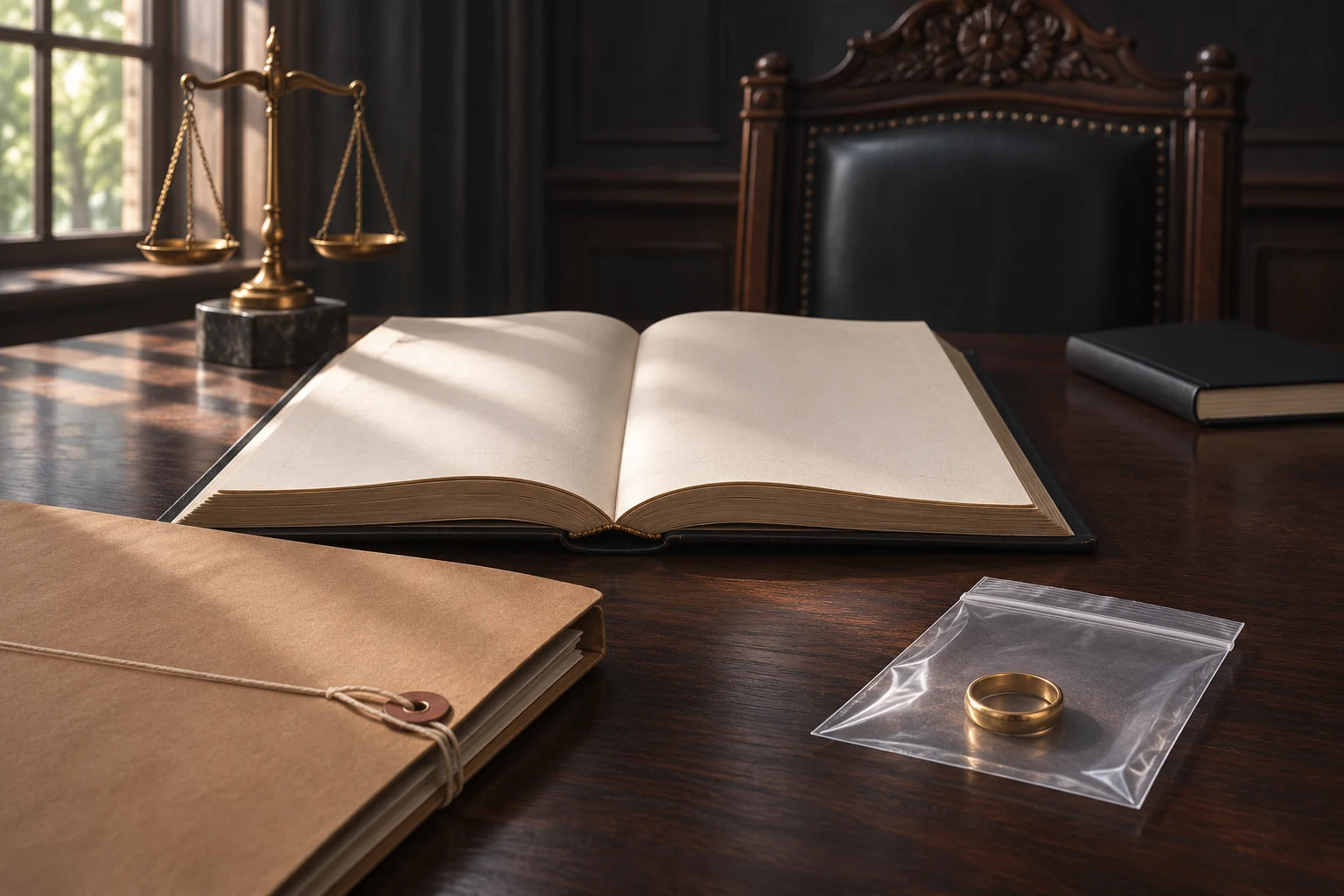
India’s Supreme Court has upheld the acquittal of four men in the killing of Kamlesh Rani, finding that a recovered blade and gold ornaments did not bridge the gaps in the prosecution’s case. The Punjab and Haryana High Court had set aside convictions for murder and theft after preparation to cause harm under Sections 302 and 382 of the Indian Penal Code. Punjab appealed, and the Supreme Court dismissed all three appeals. Judgment, paragraphs 11–13.
How the case reached the Supreme Court
Rani’s husband found her dead at home on 16 January 2009 and reported that her gold ornaments were missing. There was no eyewitness to the killing. The police arrested the four men in April and relied, among other things, on the recovery of a datar, a bladed implement, and gold rings.
The Sessions Court convicted all four. The High Court went through the evidence again and found that essential links were missing. Before the Supreme Court, the State argued that the recoveries, a sighting near the house and a conversation the husband said he had overheard were enough to restore the convictions. Judgment, paragraphs 2–5.
Why the evidence fell short
The husband said he overheard three men discussing the crime in a hotel hall nearly three months later. He maintained they had failed to notice him there. The Supreme Court agreed with the High Court that the account was highly improbable. His father said he had seen four people near the house on the day of the killing. When he identified the men at the police station in April, the four accused were the only people presented to him. Judgment, paragraphs 7–9.
A phone trader said he had bought a handset from the first accused, but produced no transaction record that could connect the phone with the handset the prosecution said was missing. The investigating officer acknowledged that the datar had never been sent for forensic examination and that he had involved no independent person in the recoveries. The Court found that the blade and the ornaments, weighed alongside the rest of the record, could not sustain either conviction. Judgment, paragraphs 8–11.
What the ruling means for appeals against acquittal
The Court applied *Ramanand @ Nandlal Bharti v. State of Uttar Pradesh*, 2022 INSC 1075. Where the entire case rests on circumstances, the established facts must fit together so that guilt is the only reasonable conclusion. A recovered object can be a link in that chain. Its weight depends on the evidence tying it to the offence and the accused. The prosecution’s case here failed when the judges assessed those links together. Judgment, paragraphs 11–13.
Official court PDF · Supreme Court judgment list.
Frequently asked questions
What did the Supreme Court decide in Neeraj Rana?
It dismissed Punjab’s appeals and affirmed the acquittal of all four respondents on the charges under Sections 302 and 382 IPC.
Why was the recovered blade insufficient?
The investigating officer had never sent it for forensic examination. The judges considered the recovery with the ornaments and the other evidence and found the chain incomplete.
Can a murder conviction rest on circumstantial evidence alone?
Yes. The proven circumstances, considered together, must point to the accused’s guilt as the only reasonable conclusion.
Which earlier ruling did the Court apply?
The Court relied on Ramanand @ Nandlal Bharti v. State of Uttar Pradesh, 2022 INSC 1075, for the standard governing a case based entirely on circumstantial evidence.
New judgment alerts
Follow this court or legal topic
Receive new judgments and analysis about Supreme Court of India, Criminal Law, Evidence by email.
Primary-source materials
Verify the underlying law and record
Court documents, statutory provisions, official notifications, government documents, and external official sources relied on or relevant to this article.
India’s Supreme Court Upholds Punjab Murder Acquittals Over Gaps in Circumstantial Evidence
india-neeraj-rana-murder-acquittal-circumstantial-evidence.pdf · PDF · 356 KB
State of Punjab v. Neeraj Rana @ Sonu and Others
india-neeraj-rana-2026-insc-1285.pdf · PDF · 196 KB
Court judgment PDF, 2026 INSC 1285
Court judgment list, uploaded 27 November 2026
Research integrity
Editorial and source record
- Author
- Shahbaz Shah, Advocate High Court
- Legal review
- Author-reviewed
- Sources checked
- November 27, 2026
- Primary materials
- 4 recorded on this page
- Corrections
- No material correction note is recorded.
Independent legal journal
Written and published by Shahbaz Shah
This article forms part of an independent journal focused on practical analysis of Pakistani law, courts, and legal institutions.
About the authorReader feedback
Was this analysis useful?
Choose one response and, if you wish, tell us what should be improved. No name or email is required. See the Privacy Policy.