Share this article
For more judgments and legal updates, follow our WhatsApp channel.
Independently written and published by Shahbaz Shah Legal Journal.
Case reference
Chief Administrator of Auqaf, Punjab v. Muhammad Hussain
- Case number
- Civil Appeal No. 337-L of 2012
- Court
- Supreme Court of Pakistan
- Decided
- 18 November 2026
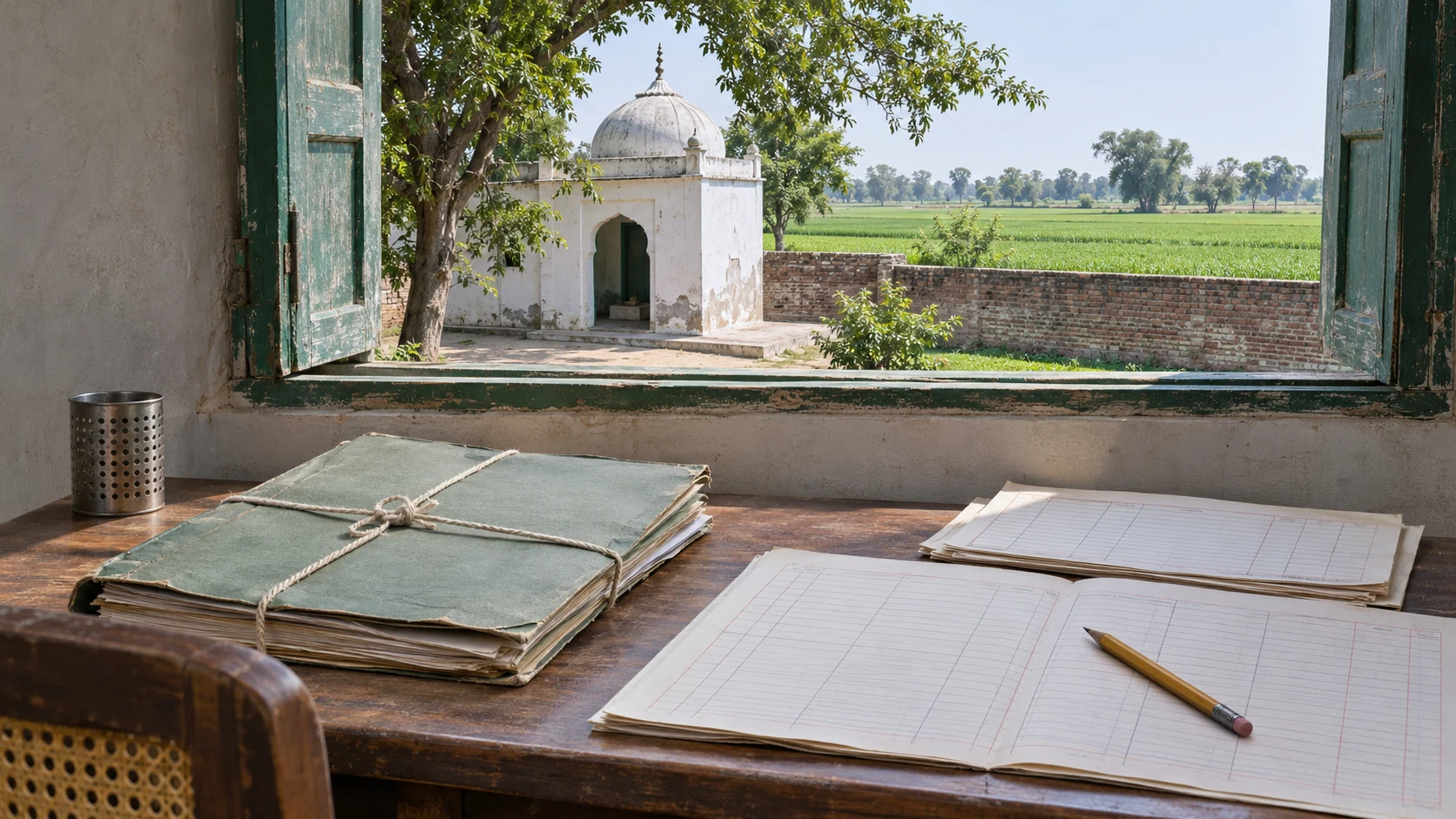
Muhammad Hussain built a shrine over a relative’s grave on land he had bought in Hafizabad. Devotees visited the shrine and left offerings. In 2003, Punjab Auqaf took over the entire property, including land that Hussain still occupied and cultivated. The Supreme Court held that the department had no authority to do so. It directed Punjab Auqaf to return the land and structures within 30 days of receiving the judgment. Justice Shahid Waheed wrote the 18 November 2026 decision for a bench that also included Justice Naeem Akhter Afghan. Paragraphs 2–7 and 27.
The difference between a shrine and a waqf
Section 2(e) of the Punjab Waqf Properties Ordinance, 1979, centres on permanent dedication for a purpose recognised by Islam as religious, pious or charitable. A waqf can be established through an oral declaration or conduct that clearly shows an intention to give up ownership. Where a party relies on religious use alone, Explanation 1 requires use from time immemorial. Explanation 5 recognises shrines as a purpose for dedication and still requires proof that the owner permanently dedicated the property. Paragraphs 8 and 12–19.
The start of the religious use was known in this case. The burial took place in 1993 and the takeover followed in 2003. The Court held that about ten years of visits and offerings fell short of immemorial use. It also distinguished the offerings from the land. Explanation 4 treats shrine offerings and cash-box income as waqf property. The land itself still requires proof of dedication or qualifying use. Paragraphs 11 and 16–19.
What the land records and evidence showed
Hussain produced a registered sale deed, a sanctioned mutation and consistent ownership and possession entries. Once he proved title, the burden fell on Punjab Auqaf to establish that he had surrendered his ownership. He had continued to occupy the land, operate a tube-well and cultivate it. Access to the shrine was by his permission. The recorded area attributed to the shrine also varied over time. The Court held that the revenue description of the site as a darbar recorded its physical use, while the ownership entries continued to name Hussain. Paragraphs 16–21.
Why the takeover failed under Section 7
Section 7 gives Punjab Auqaf takeover power over property that qualifies as waqf. The Court also considered the department’s alternative case that Hussain had created a waqf. On that premise, he was a living dedicator. The first proviso required his consent and agreed terms. The second required service on the management or mutawalli and affixation on a prominent part of the property. The department failed to establish compliance with either proviso and produced no notification in evidence. The Court held that the absence of waqf, failure to obtain the living dedicator’s consent and agreed terms, and failure to comply with the notice requirements each invalidated the takeover. Paragraphs 22–25.
The Court affirmed the Lahore High Court’s result while correcting its view that a written deed was required. It ordered restoration of the whole 5 kanals and 3 marlas and correction of any revenue entry made under the takeover notification. It left sums already credited to the Auqaf Fund undisturbed. Paragraphs 26–27.
The Associated Press of Pakistan reported the decision on 24 November 2026. APP report
Frequently asked questions
Does allowing devotees to visit a private shrine make the land waqf?
Permitted visits and offerings did not establish dedication in this case. The Court looked for a clear surrender of ownership or proof of religious use from time immemorial. Paragraphs 16–19.
Does waqf require a written deed?
The Court recognised oral dedication and dedication by clear conduct. It also recognised the statutory route based on use from time immemorial. Paragraphs 14–15 and 26.
When is a living dedicator’s consent required?
The first proviso to Section 7(1) requires the living dedicator’s consent and agreed terms before the Chief Administrator takes over the waqf property. Paragraph 23.
What did the Court order Punjab Auqaf to return?
The entire 5 kanals and 3 marlas and its structures. The 30 days run from receipt of the judgment. Paragraph 27.
New judgment alerts
Follow this court or legal topic
Receive new judgments and analysis about Supreme Court of Pakistan, Civil Law by email.
Primary-source materials
Verify the underlying law and record
Court documents, statutory provisions, official notifications, government documents, and external official sources relied on or relevant to this article.
Supreme Court Rejects Punjab Auqaf’s Waqf Claim Over Hafizabad Shrine Land
supreme-court-hafizabad-shrine-waqf-punjab-auqaf.pdf · PDF · 542 KB
Chief Administrator of Auqaf Punjab, Lahore, etc. v. Muhammad Hussain
chief-administrator-auqaf-v-muhammad-hussain-ca-337-l-2012.pdf · PDF · 42 KB
Court decision shared through Google Drive
Punjab Auqaf legal framework
Associated Press of Pakistan coverage, 24 November 2026
Research integrity
Editorial and source record
- Author
- Shahbaz Shah, Advocate High Court
- Source review
- Checked against the complete judgment
- Sources checked
- November 24, 2026
- Primary materials
- 5 recorded on this page
- Corrections
- No material correction note is recorded.
Independent legal journal
Written and published by Shahbaz Shah
This article forms part of an independent journal focused on practical analysis of Pakistani law, courts, and legal institutions.
About the authorReader feedback
Was this analysis useful?
Choose one response and, if you wish, tell us what should be improved. No name or email is required. See the Privacy Policy.