Share this article
For more judgments and legal updates, follow our WhatsApp channel.
Independently written and published by Shahbaz Shah Legal Journal.
Case reference
LESCO v. Hamdard Laboratories
- Case number
- F.C.P.L.A. No. 510 of 2026
- Court
- Federal Constitutional Court of Pakistan
- Decided
- 29 October 2026
- Uploaded
- 25 November 2026
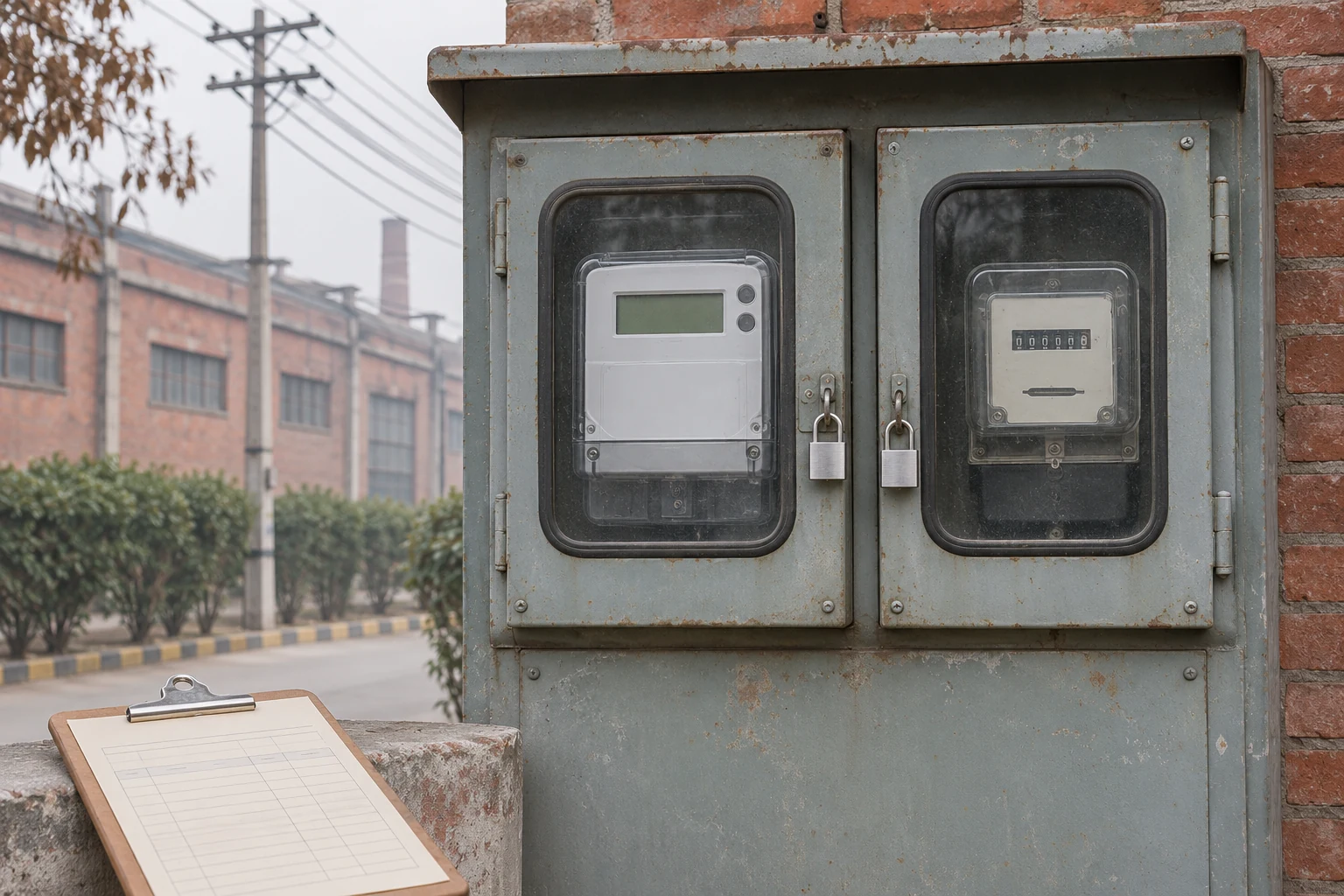
Hamdard Laboratories disputed four months of electricity bills raised by Lahore Electric Supply Company under the DEF-EST code. An inspection put a backup meter at the centre of the case. The Federal Constitutional Court refused LESCO leave to appeal, leaving in force a Lahore High Court judgment that restored the Electric Inspector’s direction to calculate the disputed bills using the backup meter’s actual readings. The FCC decided the case on 29 October 2026 and uploaded the reasons on 25 November. Paragraphs 4–6 and paragraph 10.
The orders on the disputed bills
The charges covered August to November 2024. Hamdard approached the Punjab Provincial Office of Inspection under Section 38 of the Regulation of Generation, Transmission and Distribution of Electric Power Act, 1997, read with Sections 24 and 25 of the Electricity Act, 1910. An inspecting officer examined the meter on site in the presence of representatives of both parties. Paragraphs 4–5.
The Electric Inspector set aside the disputed charges. He allowed LESCO to bill the actual units recorded on the backup meter for the four months, ordered adjustment of any excess recovery in future bills and directed replacement of the disputed meter. NEPRA’s Appellate Board also cancelled the original bills, but permitted revised billing under DEF-EST from August 2024 until the meter was replaced. On Hamdard’s writ petition, the Lahore High Court set aside the Board’s order and restored the Inspector’s. The basis of the revised bills was therefore the point that mattered. Paragraphs 5–7.
Why the High Court could hear the writ
LESCO argued that a statutory remedy made the writ petition inadmissible, citing Section 12G(1) of the 1997 Act. The FCC addressed the objection through the High Court’s findings about the tribunal established under Section 11. The High Court found that the tribunal’s contractual jurisdiction gave it no appellate power over the Appellate Board’s decision in this case. Paragraph 2 and the High Court’s reasoning quoted in paragraph 8.
The FCC relied on Federation of Pakistan v. Spencer Powergen Company of Pakistan Limited (2026 SCMR 339). It held that the legality of charges under a regulated tariff code, after an inspection and a statutory appeal, involved the exercise of public authority. LESCO performs an essential public utility function and Section 38 expressly covers metering, billing and tariff collection. On those facts the dispute had a public-law character and was open to judicial review under Article 199. Paragraphs 8–9.
What the ruling means for billing disputes
The route Hamdard took matters. It went to the Electric Inspector and the dispute proceeded through the Appellate Board before reaching the High Court. A consumer relying on this judgment will still need to identify the statutory power or public duty in issue and address any available remedy. Meter readings and inspection records remain important where a charge turns on actual consumption. In this case LESCO showed no illegality, material irregularity or defect in the reading of the record that warranted FCC interference. Paragraphs 8–10.
Sources
Official FCC judgment · NEPRA Appellate Board decision · FCC judgment register.
Frequently asked questions
Can a High Court review electricity billing under Article 199?
Yes, where the dispute involves the exercise of statutory powers or a public duty. The FCC found that element in this regulated billing dispute after proceedings before the Inspector and the Appellate Board. Paragraph 9.
Which forum hears metering and billing disputes under Section 38?
The Provincial Office of Inspection, also referred to in this case as the Electric Inspector. Section 38 also provides an appellate mechanism against its decisions. Paragraph 9.
What did the Court decide about the Section 11 tribunal?
It accepted the High Court’s finding that the tribunal’s contractual jurisdiction did not give it power to hear an appeal from the Appellate Board’s decision in this case. Paragraph 8.
How will Hamdard’s disputed bills be recalculated?
The Inspector’s restored order uses the actual units recorded on the backup meter for August to November 2024. Any excess recovery is to be adjusted in future bills. Paragraph 5.
New judgment alerts
Follow this court or legal topic
Receive new judgments and analysis about Federal Constitutional Court of Pakistan, Constitutional Law by email.
Primary-source materials
Verify the underlying law and record
Court documents, statutory provisions, official notifications, government documents, and external official sources relied on or relevant to this article.
FCC Upholds High Court Review of LESCO Electricity Billing
fcc-lesco-hamdard-electricity-billing-article-199.pdf · PDF · 460 KB
Lahore Electric Supply Company (LESCO) v. Hamdard Laboratories (Waqf) Pakistan and others
fcc-lesco-v-hamdard-fcpla-510-2026.pdf · PDF · 180 KB
Official Federal Constitutional Court judgment
FCC judgment register, uploaded 25 November 2026
NEPRA Appellate Board decision, Appeal 052/2025
Research integrity
Editorial and source record
- Author
- Shahbaz Shah, Advocate High Court
- Source review
- Checked against the complete judgment
- Sources checked
- November 25, 2026
- Primary materials
- 5 recorded on this page
- Corrections
- No material correction note is recorded.
Independent legal journal
Written and published by Shahbaz Shah
This article forms part of an independent journal focused on practical analysis of Pakistani law, courts, and legal institutions.
About the authorReader feedback
Was this analysis useful?
Choose one response and, if you wish, tell us what should be improved. No name or email is required. See the Privacy Policy.