Share this article
For more judgments and legal updates, follow our WhatsApp channel.
Independently written and published by Shahbaz Shah Legal Journal.
Case reference
Case reference
- Case
- Goverdhan v. State of Rajasthan
- Citation
- 2026 INSC 1190
- Decided
- 3 November 2026
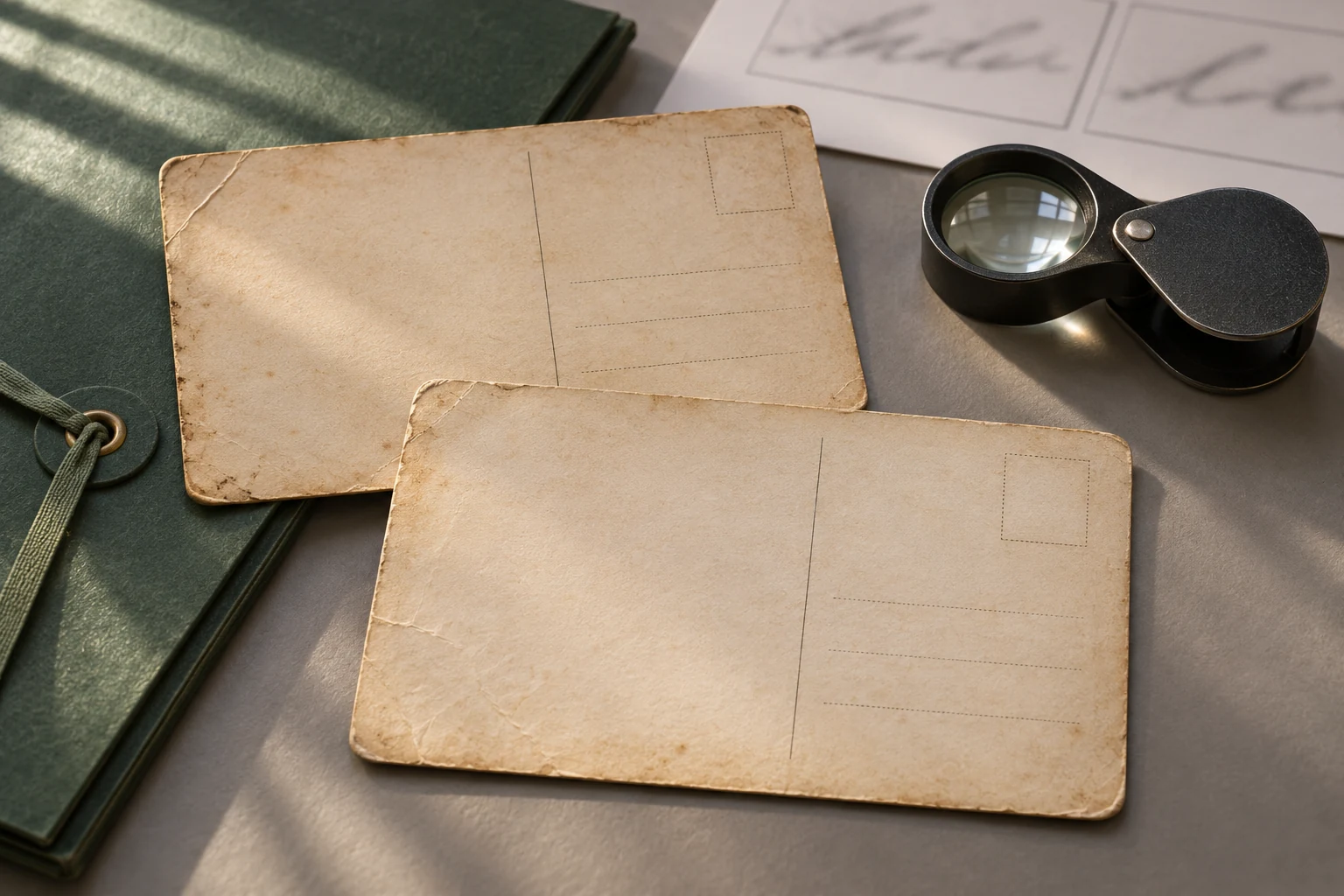
Four postcards were central to the prosecution of Goverdhan for abetting his wife’s suicide. The trial court and Rajasthan High Court relied on them. India’s Supreme Court acquitted him because the prosecution failed to prove who wrote them and because their contents, read with the other evidence, did not establish abetment. Judgment, paragraphs 20 and 23–25.
The comparison writings needed proof
The investigator took no specimen handwriting from the accused. The expert instead compared the postcards with an application and a pocket diary attributed to him. The Court held that similarities could carry weight only if the prosecution first established who wrote those comparison documents. The handwriting expert also never testified. The judges held that the report could not be received under Section 293 CrPC and that the prosecution had to call the expert and allow cross-examination. Paragraphs 20–23.
The lower courts relied in part on the absence of a specific denial of authorship in Goverdhan’s Section 313 CrPC statement. The Supreme Court said the statement had to be read as a whole and that an omission could not supply missing prosecution proof. Paragraph 24.
The letters also fell short on abetment
The Court considered the result even if Goverdhan had written the letters. They combined threats and insults with pressure to withdraw pending litigation and resume living together. The couple had lived apart for more than two years. The judges found that the evidence did not reliably connect delivery of the letters or their contents with the death, and the record did not establish instigation under Section 107 IPC. They set aside the Section 306 conviction and discharged his bail bonds. Paragraphs 25–33.
Case details and judgment summary · Supreme Court judgment PDF via CaseOn, 22 pages
Frequently asked questions
Why was the handwriting report insufficient?
The authorship of the comparison writings was unproved, and the prosecution did not call the expert to testify and face cross-examination. Judgment, page 15.
Could silence under Section 313 CrPC prove who wrote the letters?
No. The Court held that the statement must be considered as a whole and that a missing specific denial could not replace proof of authorship. Judgment, page 16.
Would the conviction have survived if the letters were genuine?
The Court found that even on that assumption the letters and surrounding facts did not establish abetment beyond reasonable doubt. Judgment, page 20.
New judgment alerts
Follow this court or legal topic
Receive new judgments and analysis about Supreme Court of India, Criminal Law, Evidence by email.
Primary-source materials
Verify the underlying law and record
Court documents, statutory provisions, official notifications, government documents, and external official sources relied on or relevant to this article.
Goverdhan v. State of Rajasthan
goverdhan-2026-insc-1190.pdf · PDF · 280 KB
Supreme Court judgment PDF via CaseOn
Research integrity
Editorial and source record
- Author
- Shahbaz Shah, Advocate High Court
- Legal review
- Author-reviewed
- Sources checked
- November 4, 2026
- Primary materials
- 2 recorded on this page
- Corrections
- No material correction note is recorded.
Independent legal journal
Written and published by Shahbaz Shah
This article forms part of an independent journal focused on practical analysis of Pakistani law, courts, and legal institutions.
About the authorReader feedback
Was this analysis useful?
Choose one response and, if you wish, tell us what should be improved. No name or email is required. See the Privacy Policy.