Share this article
For more judgments and legal updates, follow our WhatsApp channel.
Independently written and published by Shahbaz Shah Legal Journal.
Case reference
Case reference
- Case
- Ramkishan Digambar Jadhav v. The State of Maharashtra
- Citation
- 2026 INSC 1187
- Decided
- 2 November 2026
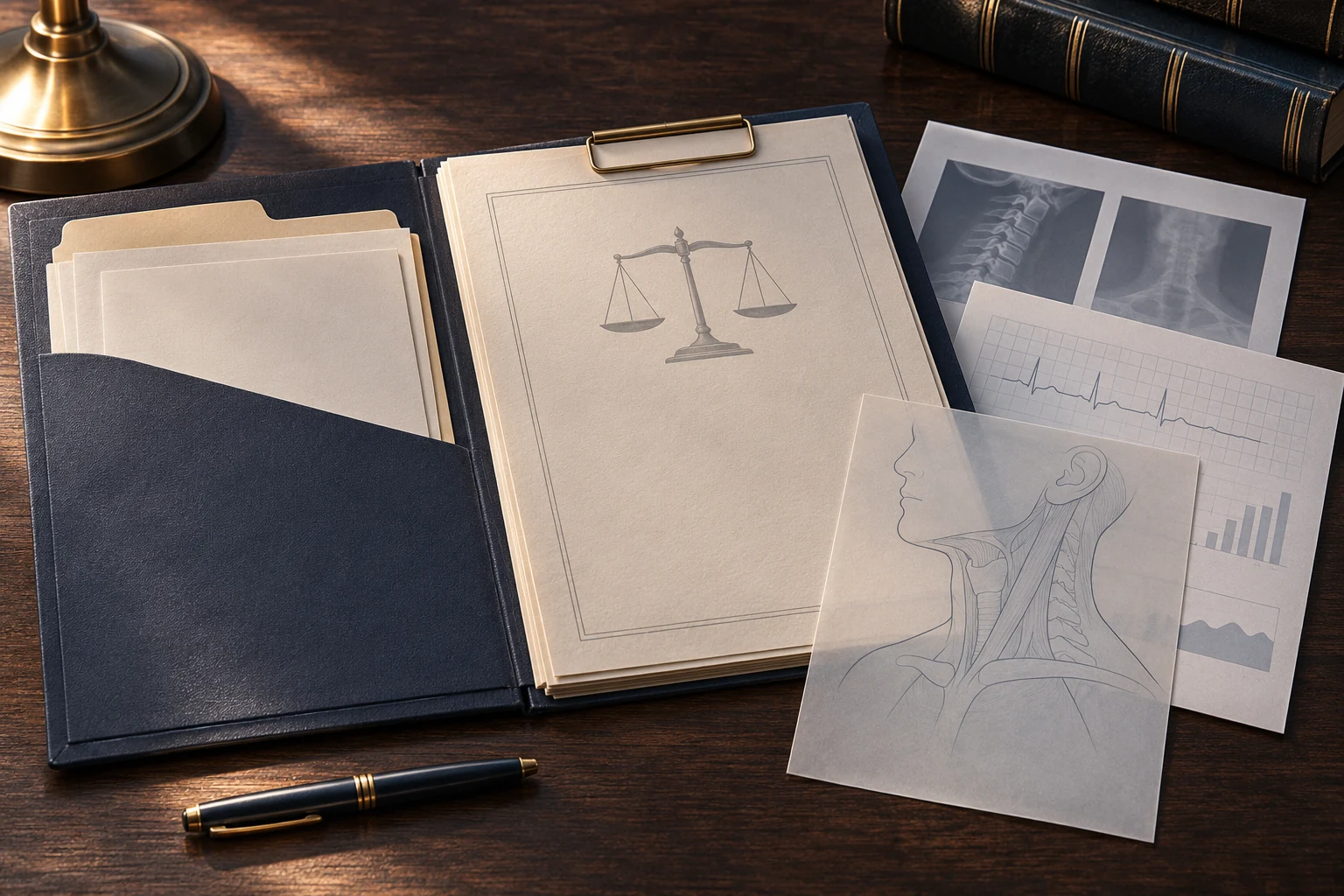
Ramkishan Jadhav said his wife had suffered an epileptic seizure while the two were together. The post-mortem showed internal neck injuries and a fractured hyoid bone. The Supreme Court of India concluded that she had been killed by throttling and upheld the Bombay High Court’s decision to convict the husband of murder and sentence him to life imprisonment. Judgment, paragraphs 34–40.
How the Court used the false explanation
Jadhav admitted he was alone with his wife when she became unresponsive. The medical evidence excluded the account he gave, and the Court found the other circumstances placed him with her when the injuries were inflicted. The false explanation added to the force of that evidence. Section 106 of the Indian Evidence Act concerns facts within a person’s special knowledge. The Court applied it after the prosecution had laid the evidentiary foundation for its case. Paragraphs 34–40.
Why the dowry death convictions also survived
The trial court had convicted the husband, his father and his brother of cruelty and dowry death with common intention. It had acquitted all three of murder. The High Court reversed only the husband’s murder acquittal. The Supreme Court separately reviewed the dowry allegations and found corroboration for persistent dowry-linked harassment close to the death, which occurred within nine months of marriage. The Section 113B presumption was unrebutted. Paragraphs 2–6 and 41–44.
The surviving appeals were dismissed. The Court cancelled bail bonds and gave four weeks to surrender. The father’s appeal had already abated following his death. Paragraphs 6 and 45–48.
Case details and judgment summary · Official Supreme Court PDF, 22 pages
Frequently asked questions
Who was convicted of murder?
The Bombay High Court convicted the husband alone under Section 302 IPC. The Supreme Court upheld that conviction and the life sentence. Judgment, page 2.
Why did the Court reject the seizure account?
The post-mortem findings, including the internal neck injuries and hyoid fracture, supported death by throttling. The Court treated the account as a false explanation in an otherwise established chain of circumstances. Judgment, page 14.
What happened to the dowry death and cruelty convictions?
The surviving appeals were dismissed. The Court found the dowry-related harassment supported by the evidence and the statutory presumption unrebutted. Judgment, page 19.
New judgment alerts
Follow this court or legal topic
Receive new judgments and analysis about Supreme Court of India, Criminal Law, Evidence by email.
Primary-source materials
Verify the underlying law and record
Court documents, statutory provisions, official notifications, government documents, and external official sources relied on or relevant to this article.
Ramkishan Digambar Jadhav v. The State of Maharashtra
ramkishan-jadhav-2026-insc-1187.pdf · PDF · 294 KB
Official Supreme Court PDF
Research integrity
Editorial and source record
- Author
- Shahbaz Shah, Advocate High Court
- Legal review
- Author-reviewed
- Sources checked
- November 4, 2026
- Primary materials
- 2 recorded on this page
- Corrections
- No material correction note is recorded.
Independent legal journal
Written and published by Shahbaz Shah
This article forms part of an independent journal focused on practical analysis of Pakistani law, courts, and legal institutions.
About the authorReader feedback
Was this analysis useful?
Choose one response and, if you wish, tell us what should be improved. No name or email is required. See the Privacy Policy.